Assess the Aluminium
Check the alloy, existing finish and condition of the parts. Review appearance requirements, critical dimensions and contact points needed to hold the components during processing.


Harden and protect aluminium with an anodised finish. Available in clear or coloured options – ideal for architectural, automotive, and marine parts.
Protection built into the aluminium surface
Anodising is an electrochemical treatment that develops the natural oxide layer on aluminium, creating a harder, more corrosion-resistant surface. The finish forms from the aluminium itself and becomes an integral part of the metal.
For customers considering anodising in Melbourne, A.A. Vinney’s can discuss your parts and finishing requirements. The aluminium alloy, existing surface condition and intended use all influence whether anodising is suitable and the appearance you can achieve.
Anodising does not fill deep scratches or repair pitting. If your parts are worn, previously coated or need to match an existing component, send photos before arranging treatment. Include the alloy if known, approximate dimensions, quantity and the appearance you are looking for.
A successful anodising job starts with choosing a finish that suits the component. Appearance matters, but so do practical details such as threaded holes, mating surfaces and dimensional tolerances. Discussing these requirements early helps establish what preparation is needed and whether the proposed treatment is appropriate. For a quote, email your part details and any drawings or finish specifications to A.A. Vinney’s.
From bare aluminium to a protective finish
Anodising involves preparing the aluminium, growing a controlled oxide layer and completing the finish to suit its intended use. The exact treatment depends on the alloy, surface condition and agreed requirements.
Check the alloy, existing finish and condition of the parts. Review appearance requirements, critical dimensions and contact points needed to hold the components during processing.
Remove grease and surface contamination before anodising. Depending on the required appearance, preparation may also include etching or other surface treatments, with rinsing between stages.
Immerse the aluminium in an electrolyte bath and apply an electrical current. This converts the surface into a controlled aluminium oxide layer, with processing conditions selected for the required finish.
Where specified, colouring follows anodising. Sealing is commonly used to improve corrosion resistance and retain colour. The finishing sequence and final checks depend on the coating requirements and intended application.
With decades of experience across automotive restoration, industrial manufacturing, and specialist metal finishing, our team has the knowledge and expertise to deliver exceptional results on every project.
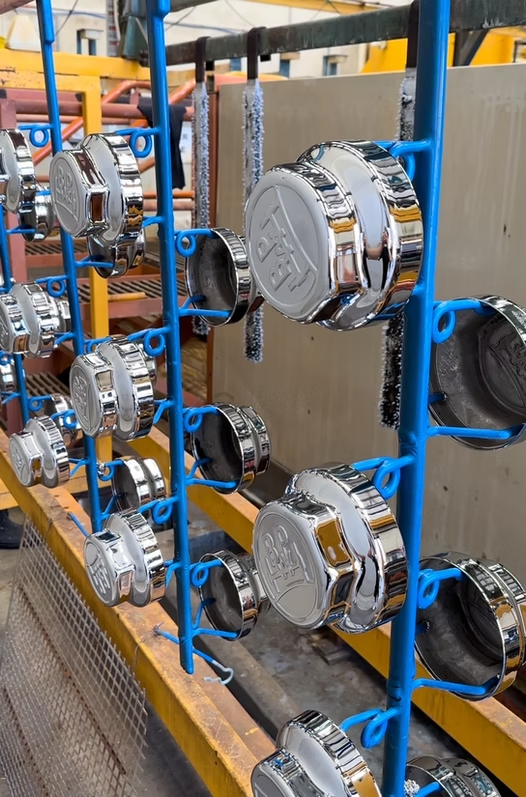
We believe in honest communication. That's why we're upfront about lead times and keep you informed throughout the process, so you always know what to expect
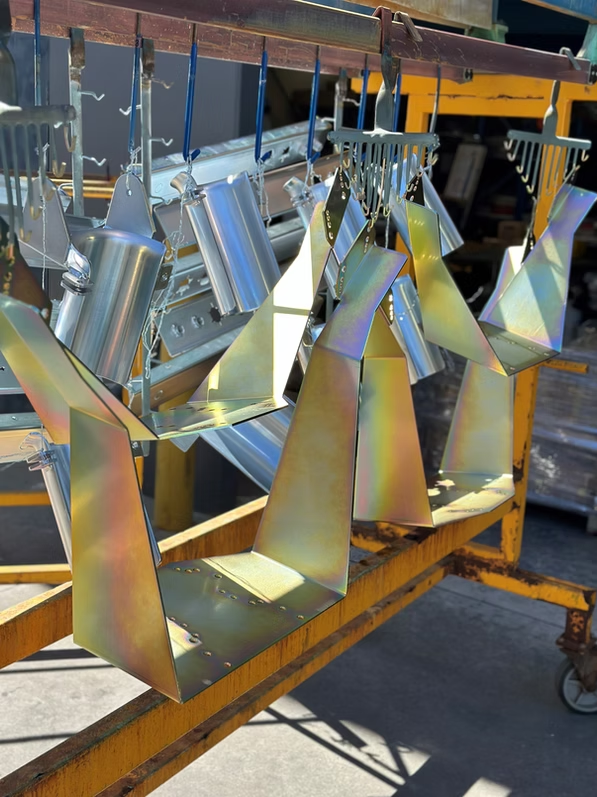
Every completed job undergoes a thorough final quality inspection before it is shipped or collected. If it doesn't meet our high standards, it doesn't leave our workshop.
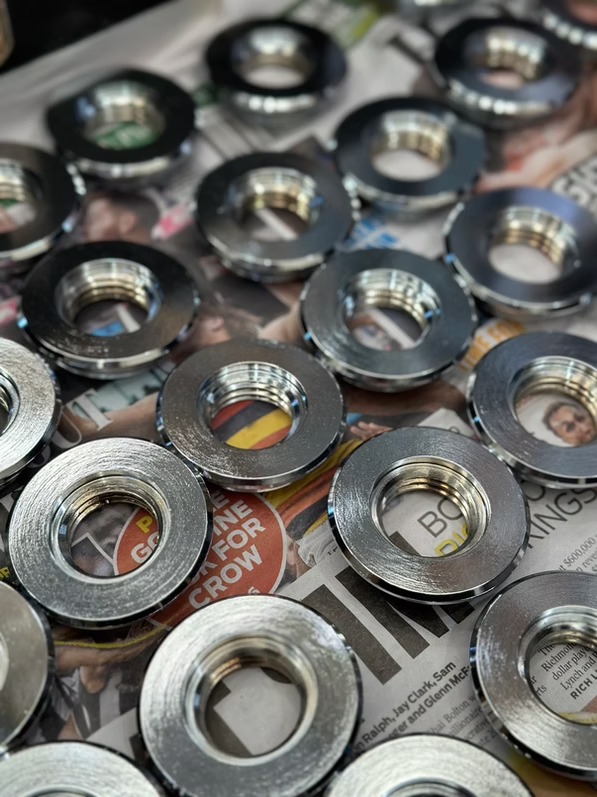
Every job gets the same attention to detail - whether it's a single motorcycle part or a 200-piece industrial run.
Got questions before you commit? Good. Here are the ones we get asked most often.
Suitability depends on the aluminium alloy, how the part was manufactured and its condition. Cast, machined and fabricated components can produce different results. Send the alloy or grade if known, along with photos and dimensions, so suitability can be discussed before treatment.
Anodising does not fill scratches, pits or damaged areas. Because the finish forms from the aluminium surface, existing marks can remain visible. Surface preparation may improve the appearance, but heavily marked or corroded parts need assessment before a finish can be recommended
Tell us the colour you want so we can confirm the available options. An exact match should not be assumed: the alloy, surface preparation and treatment can all affect appearance. If matching matters, provide an original sample and identify which components will sit alongside each other.
Anodising changes surface dimensions slightly as the oxide layer develops. This can matter for threaded holes, close-fitting assemblies and precision components. Include drawings and critical tolerances with your enquiry, and identify any areas that may need to remain untreated.
Re-anodising may be possible, but the existing coating and underlying aluminium need assessment first. Removing the old finish can affect dimensions and surface appearance, particularly on previously refinished or corroded parts. Send photos and explain any previous treatments before arranging the work.
Clean it gently with mild soap and water, then rinse thoroughly and dry with a soft cloth. Avoid harsh acidic or alkaline cleaners and aggressive polishing products that could damage the finish. Ask for care advice suited to your particular coating and where the component will be used.
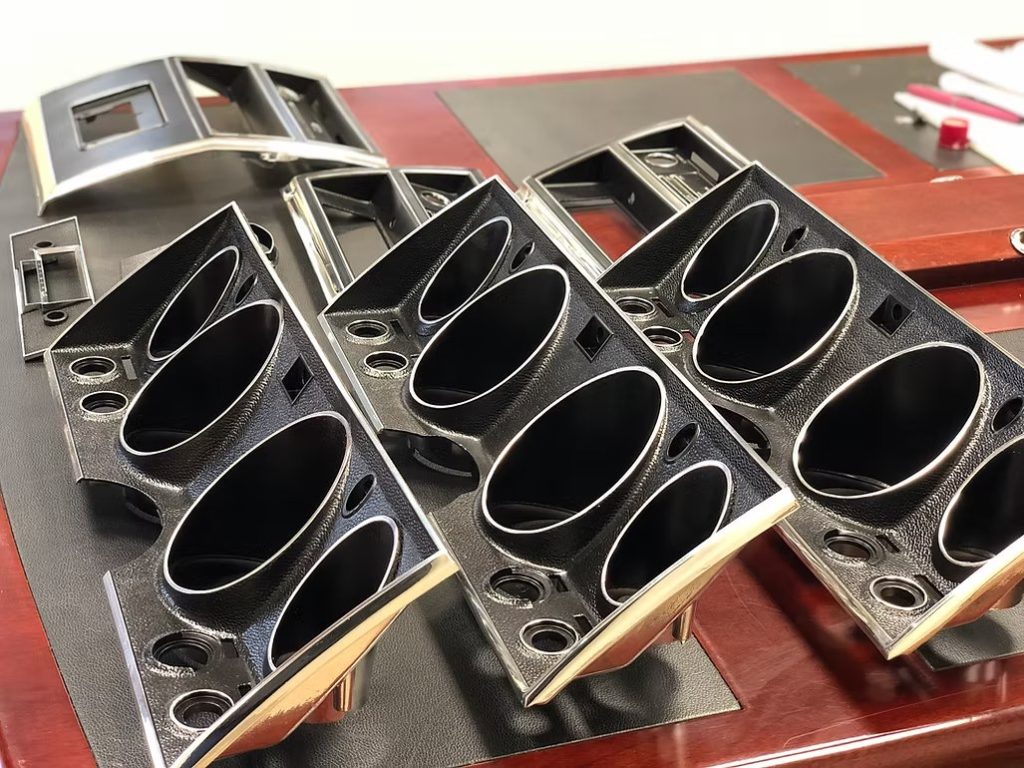
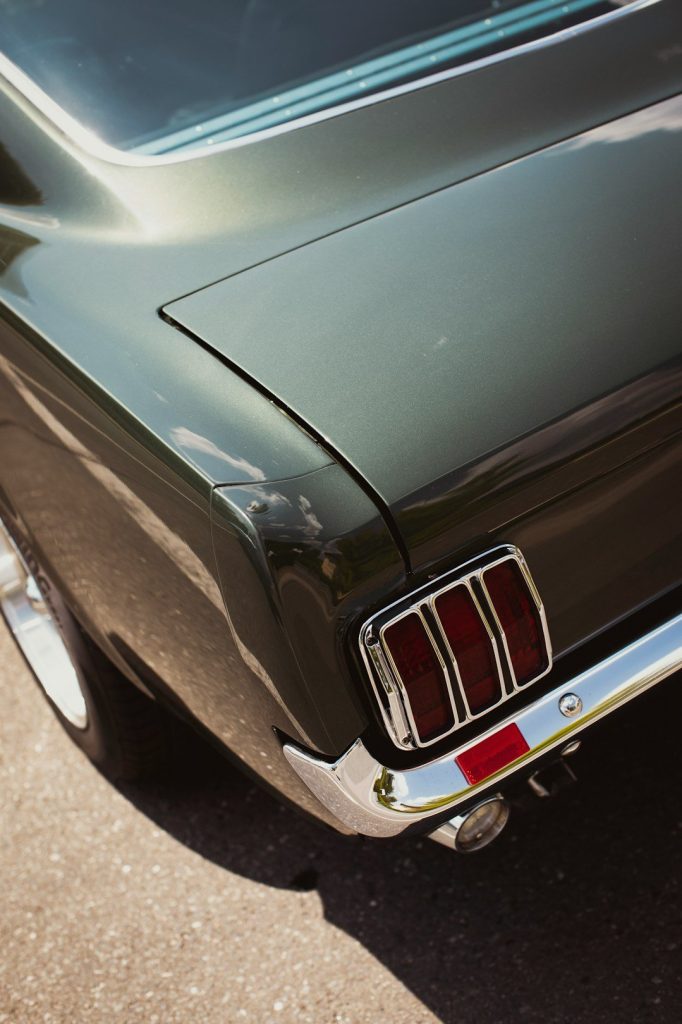
Whether it's a single heirloom piece or a full production run, we're ready to help. Contact us today for a free, no-obligation quote - and let's get your metal looking its best.