Assess the Parts
Identify the base metal and inspect the surface for rust, scale, existing coatings and damage. These details help determine whether pickling is suitable and what preparation is needed.


Remove scale, rust, and oxide layers from steel and stainless with a professional acid pickle treatment – the essential first step before plating or coating.
Surface preparation before finishing
Pickle treatment, also called metal pickling, uses a chemical solution to remove rust and oxide scale from a metal surface. It can form part of the preparation process before plating or further finishing, depending on the material and the condition of the part.
If you have components with surface corrosion or scale, the first step is to establish whether pickling is appropriate. A.A. Vinney’s offers pickle treatment in Dandenong, Melbourne. Send photos of your parts and explain what you want to achieve so you can discuss the treatment required.
Not sure what your parts are made from? Send clear photos of the whole item, close-ups of the affected surface and any identifying marks. Include dimensions and quantities, and let us know if there are areas that must retain their existing finish.
Choosing a treatment involves more than removing visible rust. Your part’s material, condition and intended use all need consideration. Discussing these details before work begins helps establish whether pickling belongs in the preparation process and what other finishing may be needed. For an older restoration part or a production component, start with the result you need rather than assuming a particular treatment will suit.
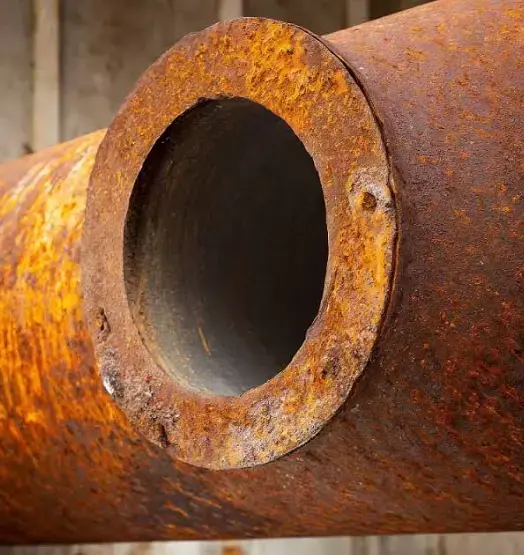
From assessment to surface preparation
Pickling needs to suit the metal, its condition and the finish required afterwards. The process generally involves four stages, with the treatment selected for the parts being processed.
Identify the base metal and inspect the surface for rust, scale, existing coatings and damage. These details help determine whether pickling is suitable and what preparation is needed.
Oil, grease and other contamination may need to be removed before pickling. Existing coatings also need assessment, as they can prevent the treatment from reaching the underlying metal.
The parts are exposed to a suitable pickling solution to remove rust and oxide scale. Treatment conditions depend on the material and the deposits being removed.
After treatment, the parts are thoroughly rinsed and the surface is checked. The next step depends on the job, including any further preparation, plating or protection required.
With decades of experience across automotive restoration, industrial manufacturing, and specialist metal finishing, our team has the knowledge and expertise to deliver exceptional results on every project.
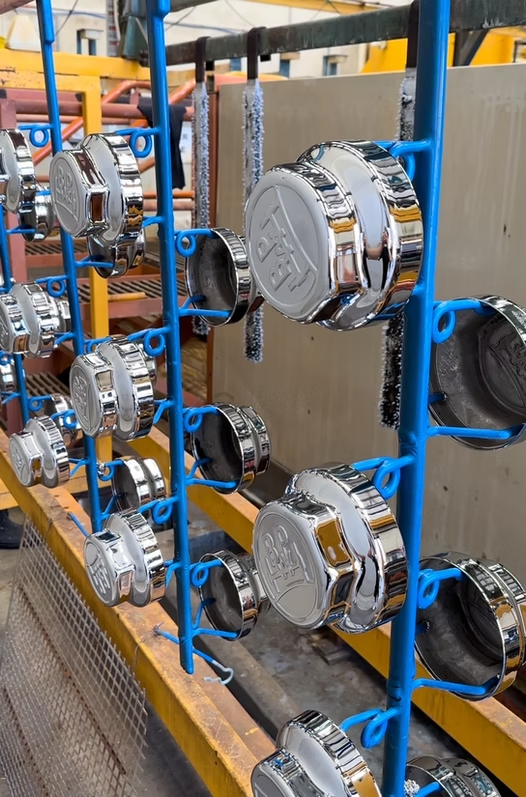
We believe in honest communication. That's why we're upfront about lead times and keep you informed throughout the process, so you always know what to expect
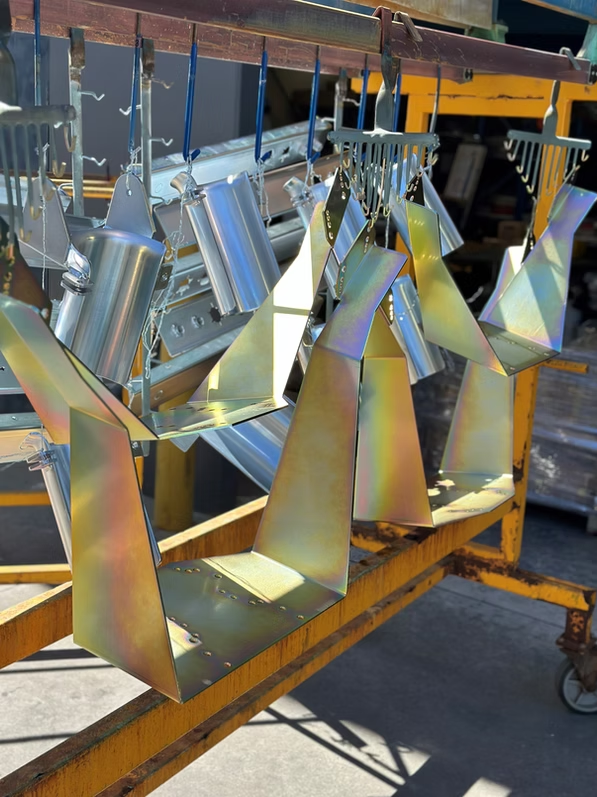
Every completed job undergoes a thorough final quality inspection before it is shipped or collected. If it doesn't meet our high standards, it doesn't leave our workshop.
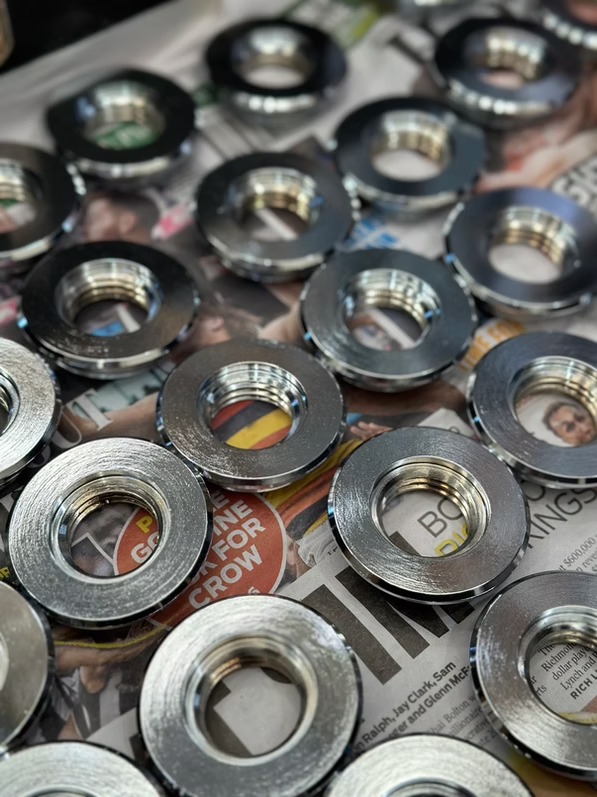
Every job gets the same attention to detail - whether it's a single motorcycle part or a 200-piece industrial run.
Got questions before you commit? Good. Here are the ones we get asked most often.
Yes. Plating adds thickness, which can affect threads, holes and mating surfaces. Include drawings and critical tolerances with your enquiry, and identify any areas that must remain uncoated. This helps us assess the finishing requirements before processing.
Surface preparation has a major influence on the finished appearance. Scratches, pits and casting marks can remain visible through a plated coating, so polishing or other preparation may be needed first. We assess the surface and discuss the likely result before treatment.
Replating may be possible after removing the existing coating, treating corrosion and preparing the underlying surface. The condition of the base metal determines how much restoration is practical. Peeling plating, deep pitting and damaged areas need assessment because a new coating will not repair missing metal.
Suitability depends on the base metal, its condition and the coating required. Different materials need different preparation, and some components may be unsuitable for the intended process. Send the material or grade if known, along with photos and dimensions, so we can assess your parts before work begins.
Start with what the component needs to do. Chrome and nickel are commonly chosen for decorative finishes, while zinc plating is commonly used to protect steel components against corrosion. Tell us about the material, operating conditions and preferred appearance so we can discuss a suitable finish.
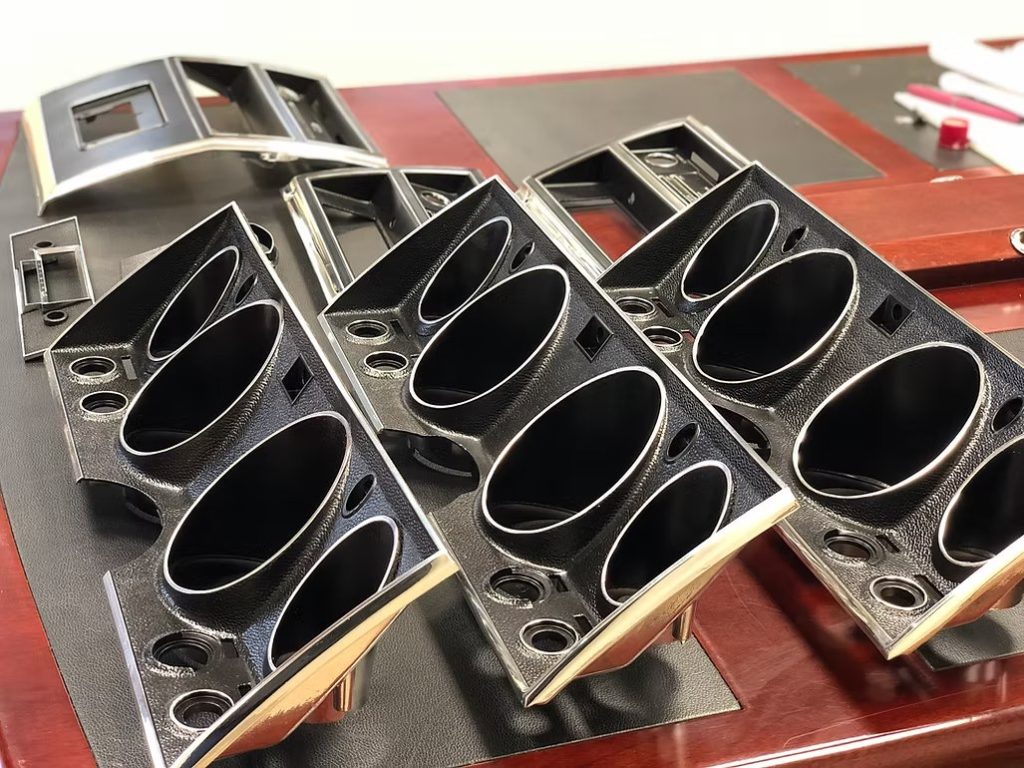
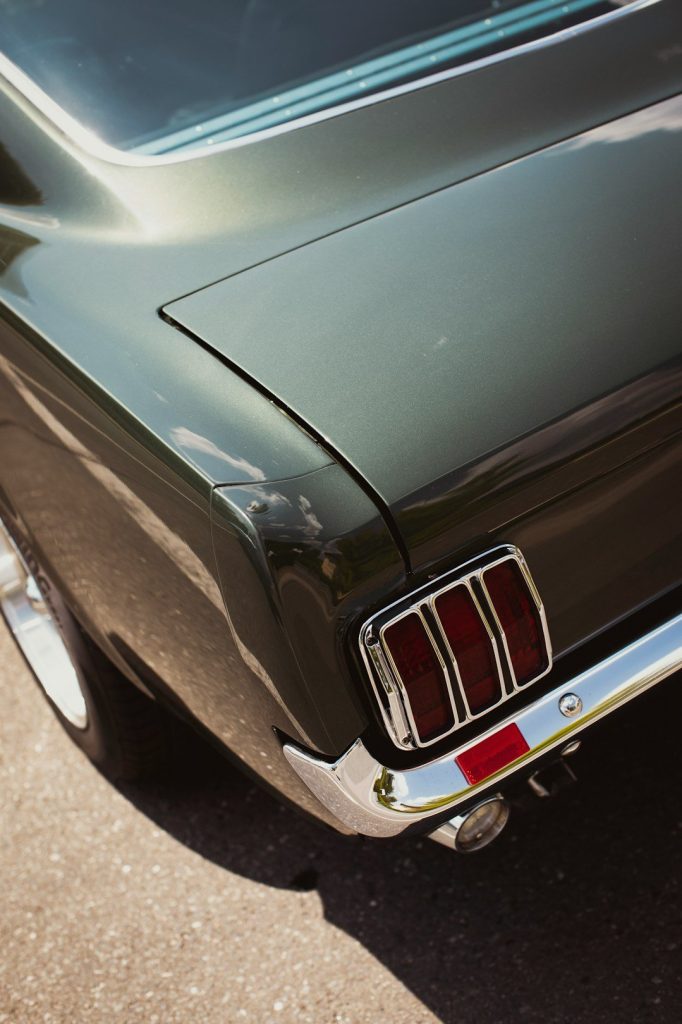
Whether it's a single heirloom piece or a full production run, we're ready to help. Contact us today for a free, no-obligation quote - and let's get your metal looking its best.