Assess and Prepare
Identify the base material and inspect existing coatings, corrosion and surface damage. Where necessary, remove unsuitable old finishes and refine the surface to prepare for the required appearance.

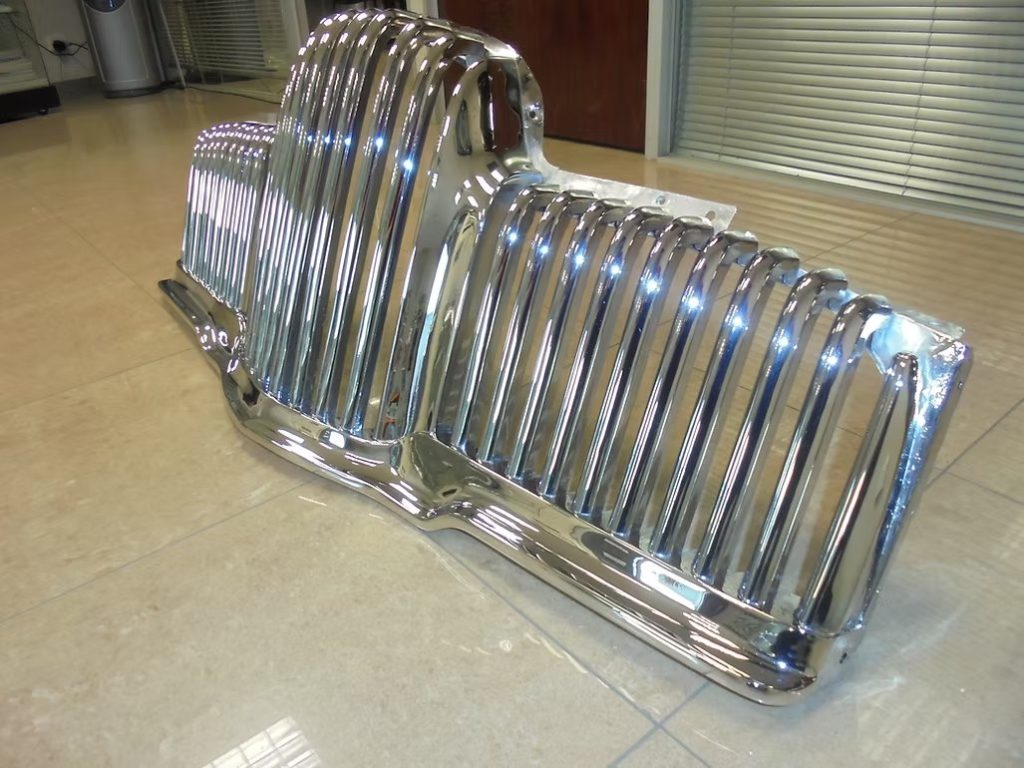
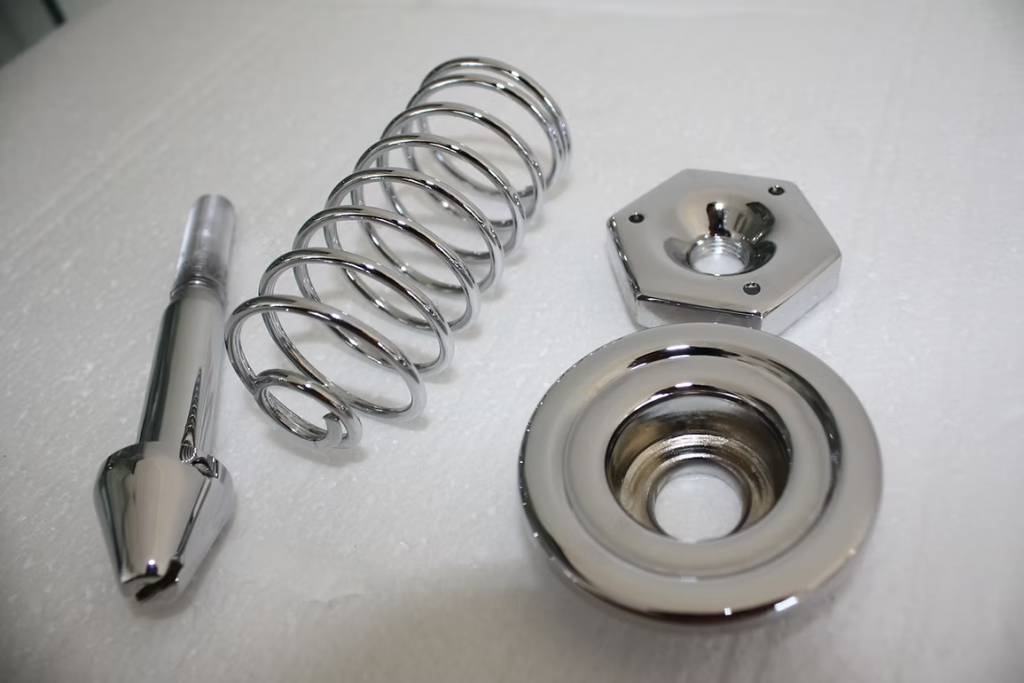
Nickel plating in Melbourne
Tell us about your parts, their material and the finish you need. Include approximate dimensions, quantities and any coating specifications. Email photos of existing parts to help us understand their condition.
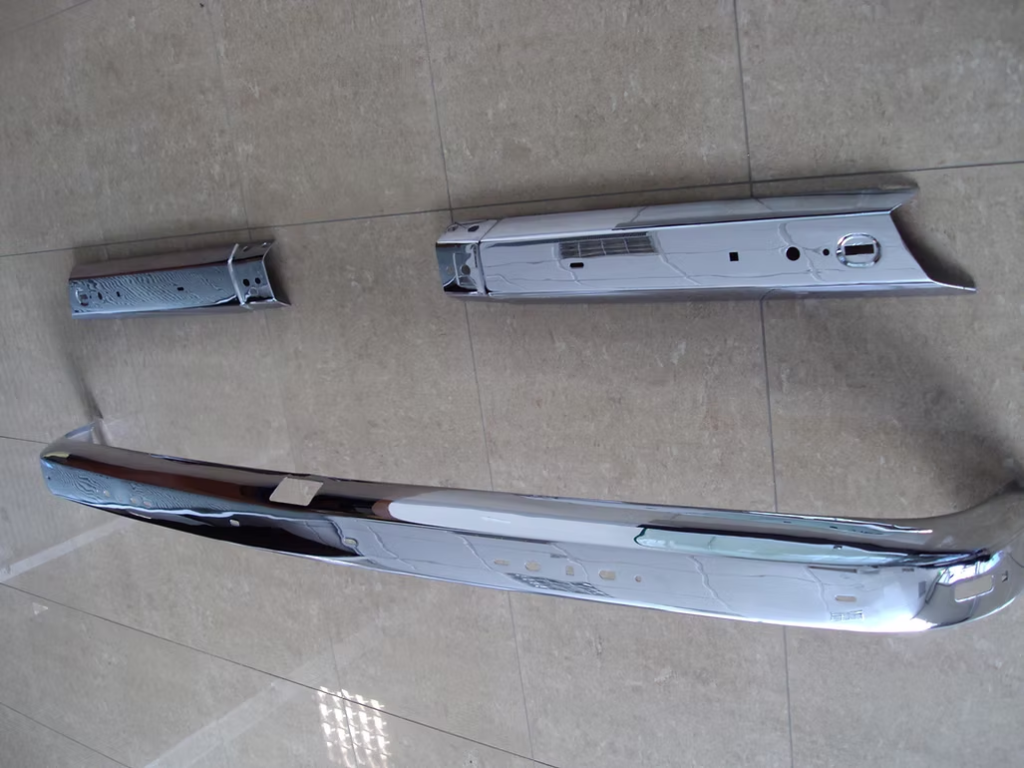
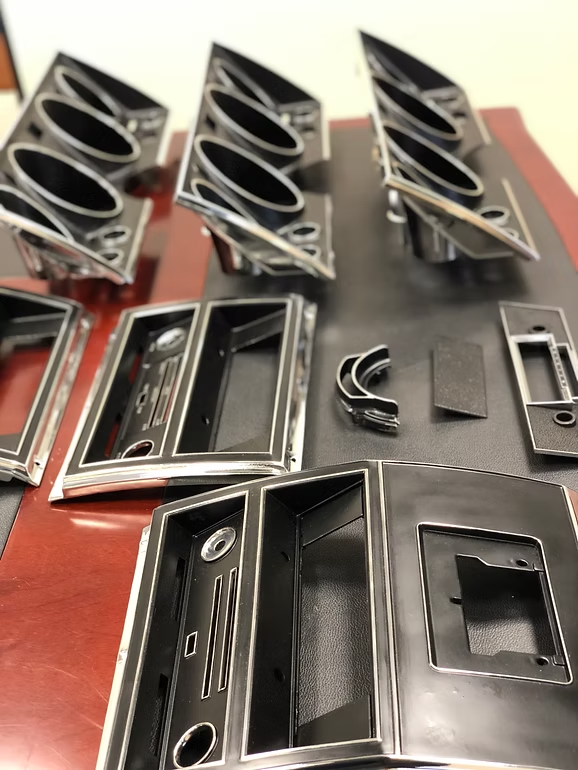
Preparation followed by controlled metal deposition
Electroplating involves more than depositing metal. Surface preparation, cleaning and the sequence of coatings all influence the result. The exact stages depend on the base material and the finish being applied.
Identify the base material and inspect existing coatings, corrosion and surface damage. Where necessary, remove unsuitable old finishes and refine the surface to prepare for the required appearance.
Remove grease, polishing residue and surface oxides through appropriate cleaning and activation stages. Rinsing between treatments helps keep contaminants out of the plating process and prepares the surface for adhesion.
Immerse the prepared component in a nickel plating solution and apply an electrical current. Nickel deposits onto the surface, with processing conditions and duration selected for the coating requirements.
Rinse and dry the component, then inspect the finish and coverage. Parts requiring a further plated layer continue through the appropriate preparation and coating stages rather than being treated as a completed nickel finish.
With decades of experience across automotive restoration, industrial manufacturing, and specialist metal finishing, our team has the knowledge and expertise to deliver exceptional results on every project.
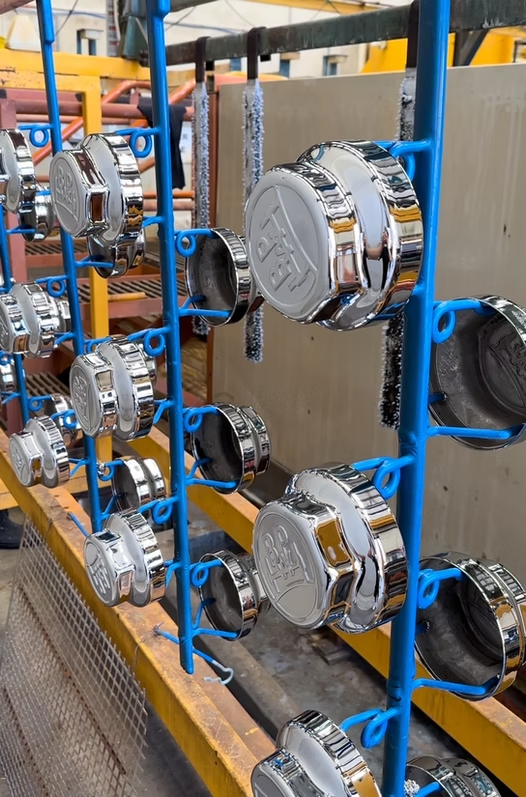
We believe in honest communication. That's why we're upfront about lead times and keep you informed throughout the process, so you always know what to expect
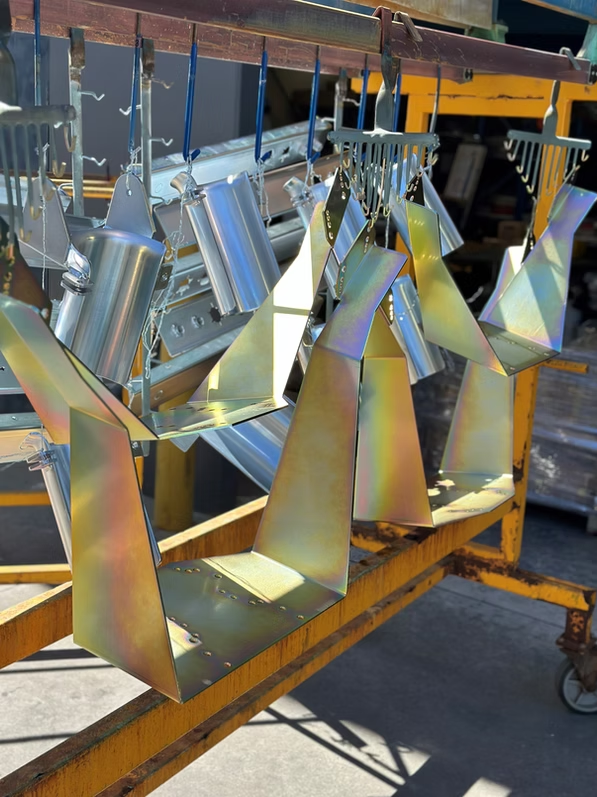
Every completed job undergoes a thorough final quality inspection before it is shipped or collected. If it doesn't meet our high standards, it doesn't leave our workshop.
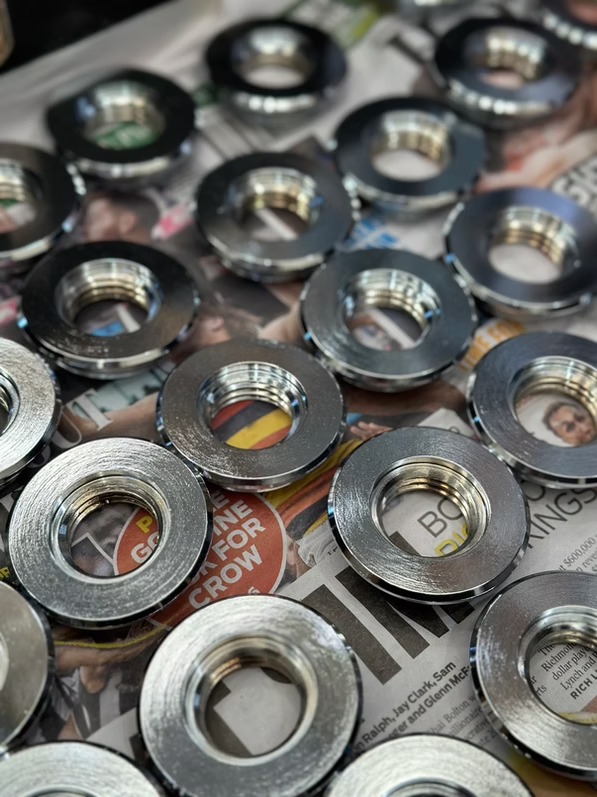
Every job gets the same attention to detail - whether it's a single motorcycle part or a 200-piece industrial run.
Got questions before you commit? Good. Here are the ones we get asked most often.
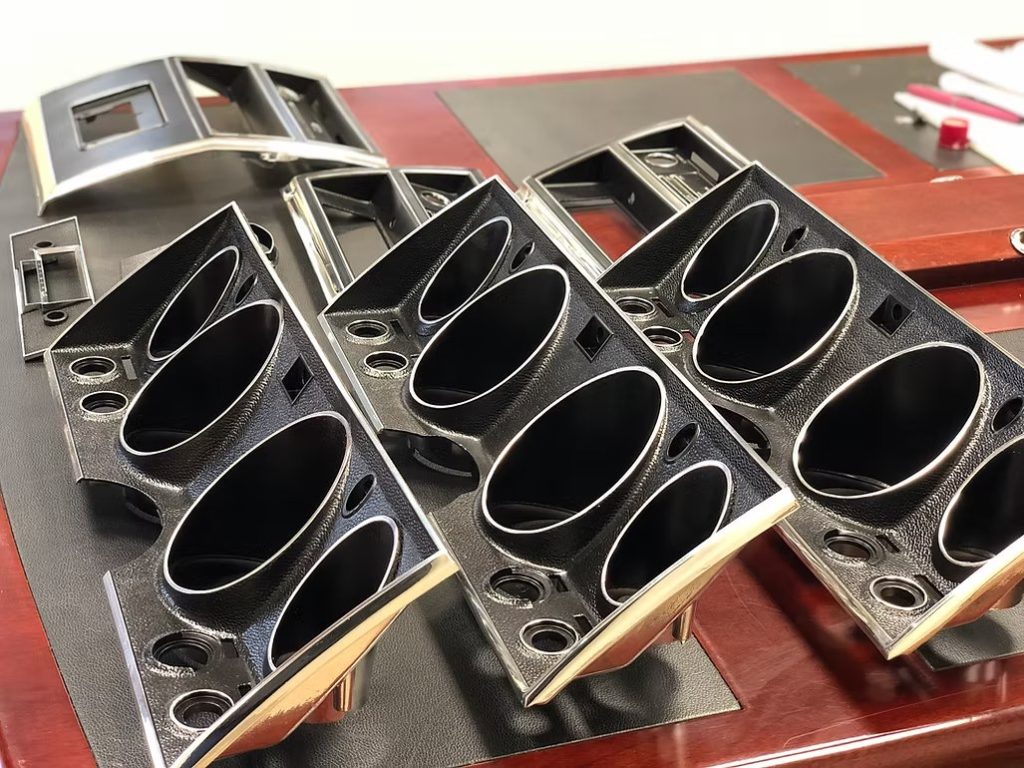
Nickel plating adds a metal coating that can improve appearance and help protect the underlying material against corrosion. It can serve as the final finish or as a layer beneath chrome plating. The appropriate coating depends on the component’s material, intended use and finish requirements.
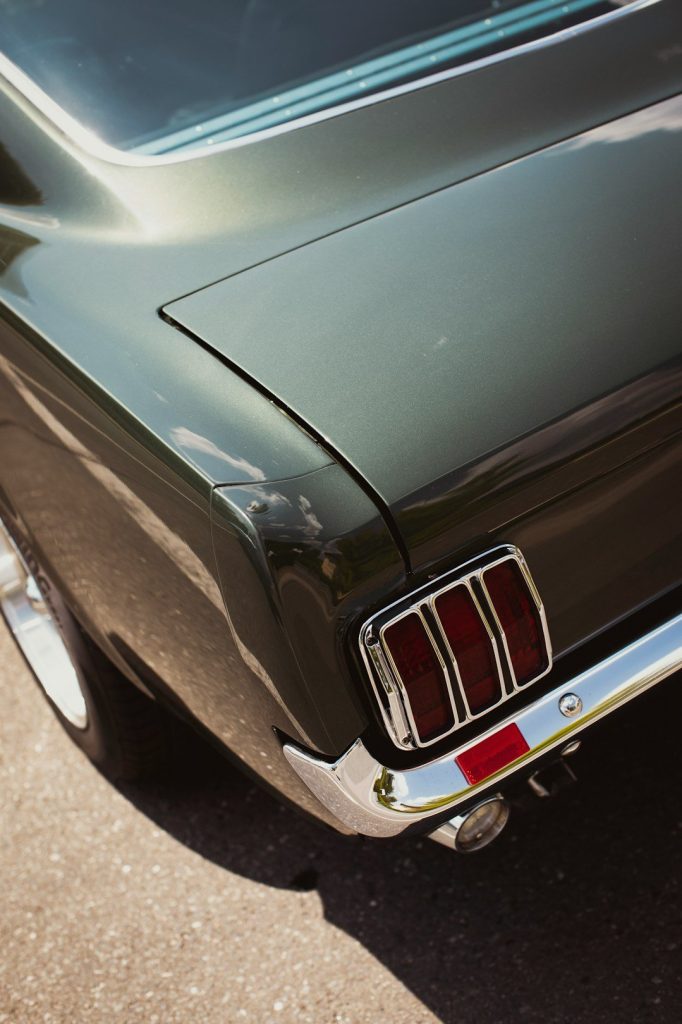
Decorative nickel typically has a warmer silver appearance, while chrome generally has a cooler, blue-white appearance. Nickel is also commonly used beneath decorative chrome. If you are restoring a part, provide a sample or reference photos so we can discuss which finish best suits the original appearance.
Suitability depends on the base metal, its condition and the preparation required. Existing coatings, previous repairs and the shape of the component can also affect processing. Send photos and the material or grade if known so we can assess whether nickel plating is suitable.
Nickel plating should not be relied on to hide surface damage. Scratches, pits and casting marks may remain visible unless the surface is prepared beforehand. Deep corrosion or missing metal can limit the result, so damaged parts need assessment before a finish is recommended.
Replating may be possible after assessing the existing coating and underlying metal. Preparation can involve removing the worn finish, treating corrosion and polishing where appropriate. Let us know about previous repairs or refinishing, particularly if the part has fine details or close-fitting surfaces.
Exposed nickel can lose brightness or develop tarnish over time. Clean gently with mild soap and water, then rinse and dry with a soft cloth. Avoid abrasive pads and harsh cleaners, and check that any polishing product is suitable for nickel-plated surfaces before use.
Whether it's a single heirloom piece or a full production run, we're ready to help. Contact us today for a free, no-obligation quote - and let's get your metal looking its best.