Inspect and Clean
Identify the material and examine scratches, corrosion, existing coatings and fine details. Clean away dirt and grease so the surface can be assessed and the appropriate preparation selected.

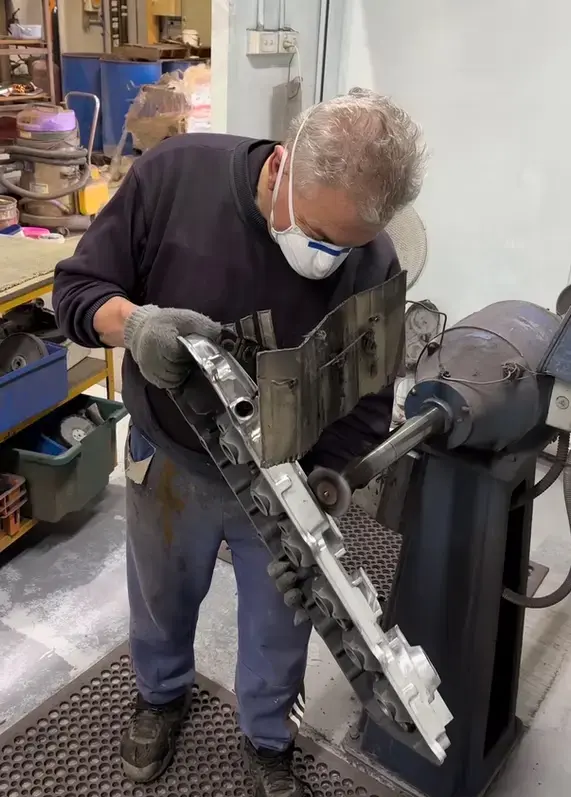
Bring dull, pitted, or oxidised metal back to a mirror shine. We polish aluminium, stainless steel, brass, copper, and more – by hand or machine.
Bring out the metal’s character
Metal polishing improves the appearance and smoothness of a surface by reducing fine scratches, oxidation and other imperfections. It works on the existing metal, with the achievable finish depending on the material, its condition and how much preparation is needed.
A.A. Vinney’s began with metal polishing in 1988 before expanding into electroplating. Today, our Dandenong business handles restoration and production work, including polishing as preparation for plating. You might be restoring a much-loved component, improving the presentation of newly made parts or preparing a batch for its next finish. Tell us what the parts are made from and how you want them to look so we can discuss the work required.
The aim is a finish that suits the component. Its original shape, remaining material and intended use matter just as much as the level of shine.
Consider professional polishing when metal looks dull, has light surface scratches or needs preparation before plating. It can also help improve the presentation of visible components during a restoration. If an existing plated finish is flaking or worn through, polishing alone will not replace the missing coating. Deep corrosion and pitting may also limit the result. Photos of the complete part and affected areas provide a useful starting point for discussing the options.
A smoother finish, stage by stage
Polishing progresses from assessing the surface to refining its texture and developing the required finish. The abrasives, compounds and amount of work depend on the metal and its starting condition.
Identify the material and examine scratches, corrosion, existing coatings and fine details. Clean away dirt and grease so the surface can be assessed and the appropriate preparation selected.
Where needed, use suitable abrasives to reduce marks and unevenness. The starting abrasive depends on the damage, with care taken around edges, contours and areas where material removal must be limited.
Work through finer abrasives to reduce the marks left by earlier stages. For a bright finish, suitable polishing wheels and compounds further refine the surface and develop its shine.
Remove polishing residue and inspect the surface for remaining marks and consistency. Parts intended for plating then need the appropriate cleaning and preparation for that next process.
With decades of experience across automotive restoration, industrial manufacturing, and specialist metal finishing, our team has the knowledge and expertise to deliver exceptional results on every project.
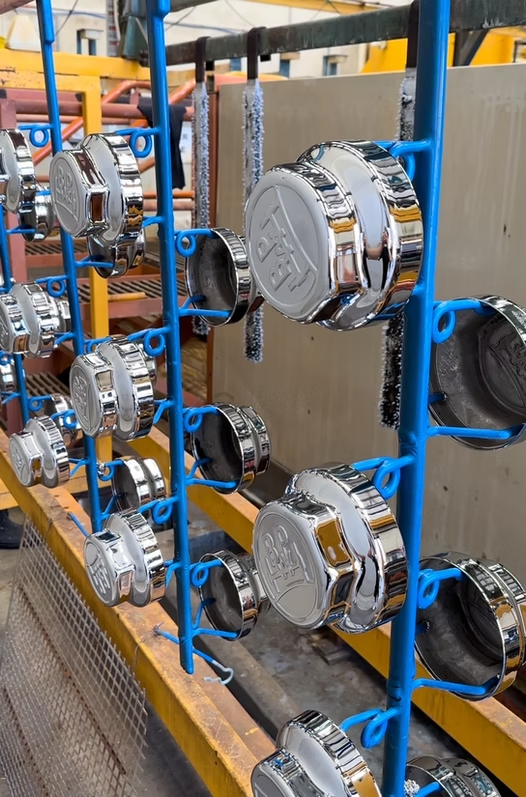
We believe in honest communication. That's why we're upfront about lead times and keep you informed throughout the process, so you always know what to expect
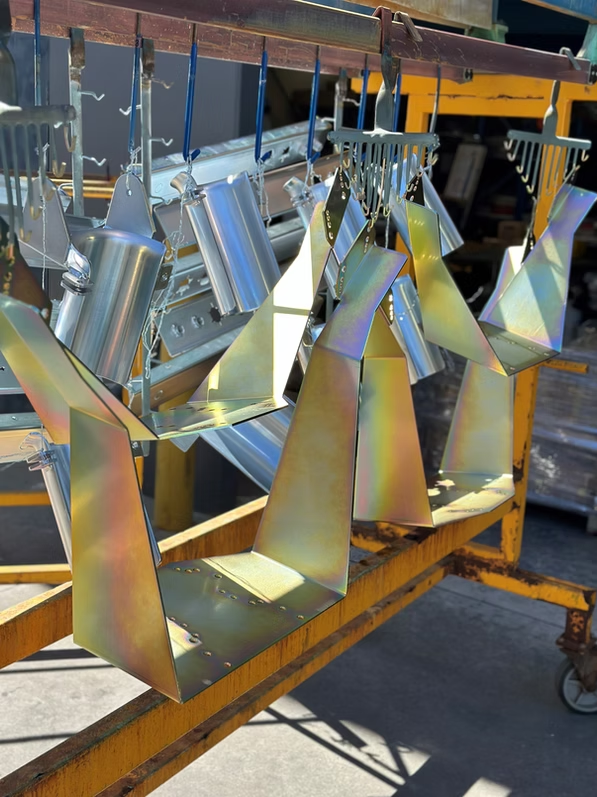
Every completed job undergoes a thorough final quality inspection before it is shipped or collected. If it doesn't meet our high standards, it doesn't leave our workshop.
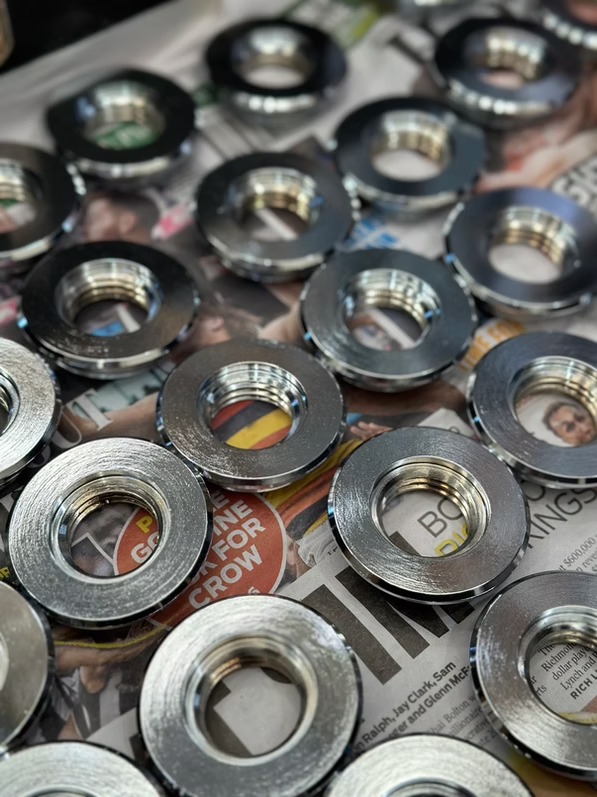
Every job gets the same attention to detail - whether it's a single motorcycle part or a 200-piece industrial run.
Got questions before you commit? Good. Here are the ones we get asked most often.
Metal polishing uses abrasives and buffing to refine the existing metal surface and improve its appearance. Plating adds a layer of another metal, such as nickel or chrome. Polishing can be a standalone finish or a preparation stage before plating, depending on the material and the result you want.
Polishing can reduce surface oxidation and many light scratches. Deep scratches and pitting may remain because removing them completely would require taking away more of the surrounding metal. We assess the condition of the part to determine what improvement is practical without compromising its shape or detail.
The achievable finish depends on the metal, its condition and the preparation involved. A smooth, reflective finish may be possible, but casting texture, corrosion and previous damage can limit the result. Provide photos or a reference sample so we can discuss the appearance you want before work begins.
An existing plated finish needs assessment before polishing. Light surface marks may be treatable, but abrasive polishing can wear through the coating. Peeling, flaking or corrosion beneath the plating generally requires assessment for stripping and replating rather than polishing alone.
Some metals naturally oxidise or tarnish after polishing. How quickly this happens depends on the material, handling and exposure to moisture or other contaminants. Regular gentle cleaning and care suited to the metal can help maintain its appearance. Ask whether your part would benefit from an additional protective finish.
Send clear photos of the whole part and close-ups of scratches, corrosion or other damage. Include the material if known, dimensions, quantity and whether the part has an existing coating. Tell us the finish you want and whether polishing is the final treatment or preparation for plating.
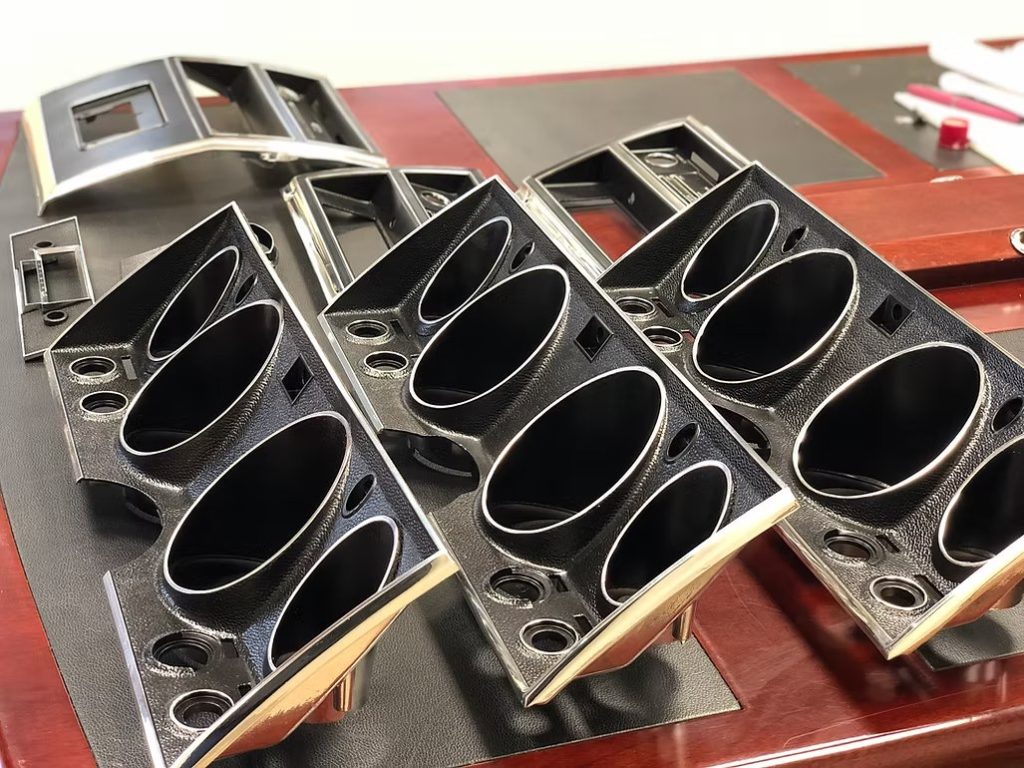
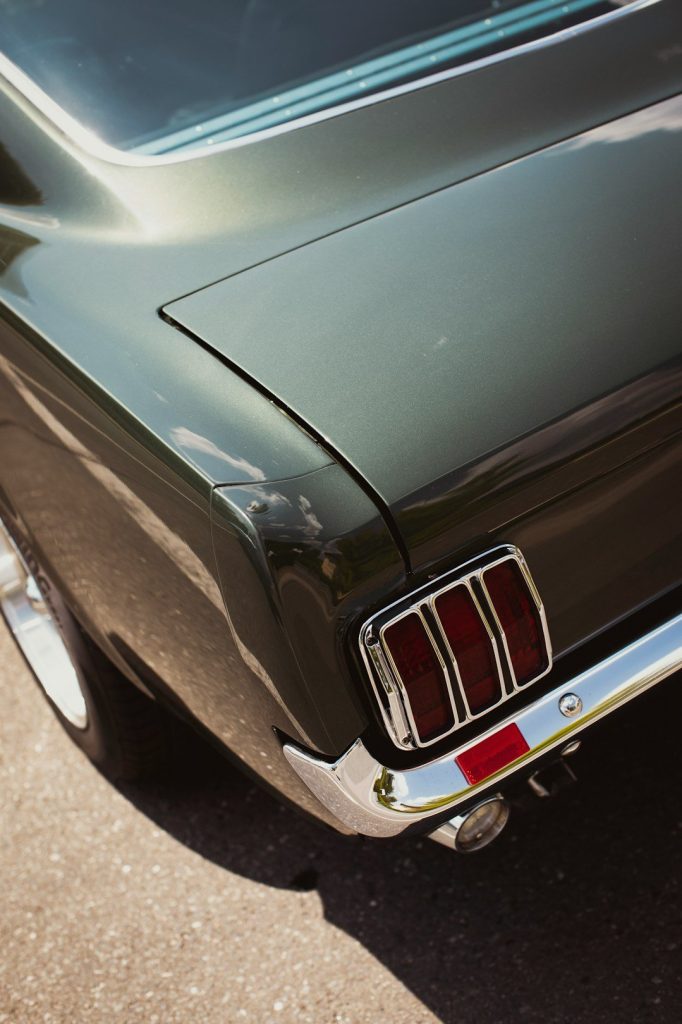
Whether it's a single heirloom piece or a full production run, we're ready to help. Contact us today for a free, no-obligation quote - and let's get your metal looking its best.